Importance of Golden hour in neonatal care
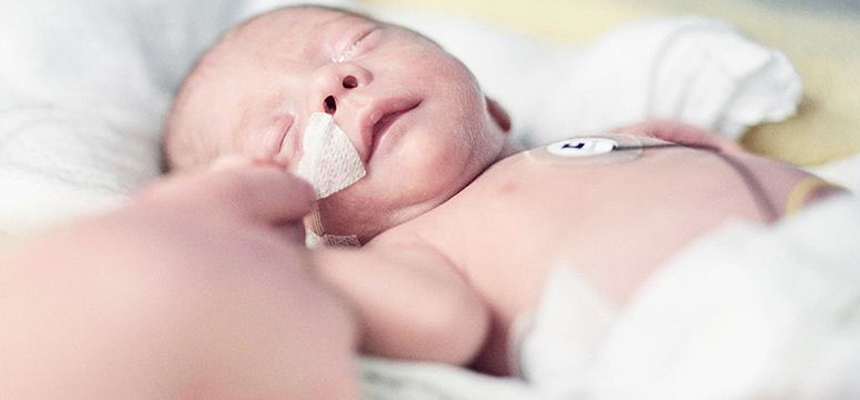
Every year approximately 15 million babies are born preterm, accounting for about 10% babies born worldwide. The theme of this year is “Born Too Soon: Providing the right care, at the right time, in the right place.” A baby born before completed 37 weeks of pregnancy is called premature baby. A premature baby has cared for in the Neonatal Intensive Care unit as it has unique medical requirements. These babies need immediate care after birth to prevent complications. Dr. Tushar Parikh DM (Neonatology), Consultant Neonatologist & Paediatrician, Motherhood Hospital, Kharadi, Pune shares with us the essential facts related to Golden hour in neonatal care.
 Golden hour in neonatal care:
The first hour of post-natal life in these premature babies is termed as a ‘Golden Hour’. Golden hour highlights the importance of neonatal care which is offered in the first 60 minutes of postnatal life. It can be described as a period that begins immediately after the birth of a child since the mother’s body, including her hormone levels and uterus size, returns to a non-pregnant state. This concept of Golden Hour care is existent in adult patients with a heart attack or stroke; where immediate management within the first hour of the problem has a better outcome.
The initial hour of neonatal life includes:
At the time of the birth, the initial focus in these babies is to establish breathing and if needed to provide the correct type of respiratory support. Often these premature babies need resuscitation at the time of delivery. These resuscitative measures are different and more sophisticated as compared to the full-term neonates (a neonate born after 37 weeks).
The golden hour care includes neonatal resuscitation, along with post-resuscitation care. Transport of these babies to Neonatal Intensive Care could be a major task as these babies are more fragile and at risk for developing major complications during this phase. Ambulance for the transport of preterm baby is different than an adult ambulance. It should contain a baby incubator and all the gadgets required for neonatal ventilator care and monitoring.
Various studies suggest that the concept of ‘golden hour’, in preterm neonates has been helpful in reducing hypothermia, hypoglycemia intraventricular haemorrhage (IVH), retinopathy of prematurity, and bronchopulmonary dysplasia (BPD). Preterm babies needing ventilator support often need surfactant therapy. Surfactant is a lipid substance that needs to be instilled directly in the trachea under supervision. Remember that the neonates who are sick and are at the risk of developing hypoglycemia need to get glucose level measures in the golden hour itself. Moreover, taking the necessary steps during the golden hour can also be helpful in preventing sepsis by proper handwashing and taking aseptic precautions, and initiate early nutritional care, recording weight and breastfeeding.
Not only this, sometimes, mothers may be infected with viral infections during the time of neonatal birth. So, these neonates should be managed in the first hour as per the viral infection which the mother is suffering from. Likewise, monitoring and maintaining records is also necessary. New-borne heart rate, respiratory rate, invasive or non-invasive blood pressure, saturation, blood sugar and capillary refill time should be checked and recorded.
Book Appointment: Dr. Tushar Parikh DM (Neonatology), Consultant Neonatologist & Paediatrician, Motherhood Hospital, Kharadi, Pune
 Disclaimer: Welthi.com does not guarantee any specific results as a result of the procedures mentioned here, and the results may vary from person to person.