Driving home the message for Dementia patients
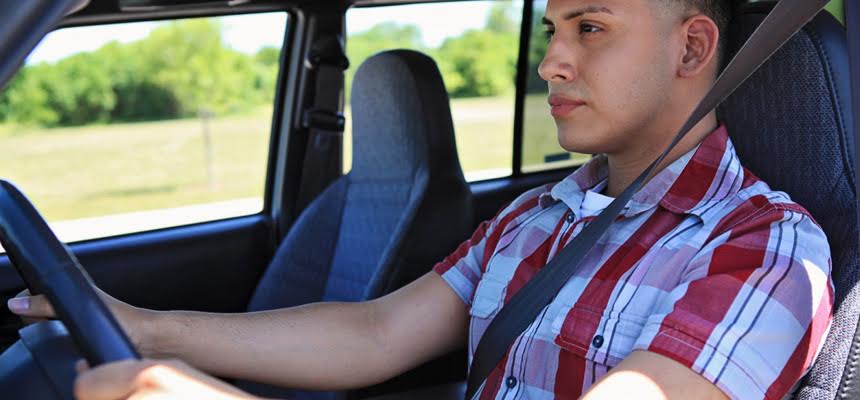
You may have to use various ways to restrict a Dementia patient from going behind the wheels
Dementia poses several threats. Driving is one of them. To get quickly to the point, let us tell you something that is common knowledge - that driving requires quick decision making and even quicker reaction ensuring that the mind, sight and fingers are well-coordinated. In a patient who is suffering from Dementia this coordination is questionable. Therefore, dementia patients should be restricted from driving.
But, restricting dementia patients from driving is not easy. It may hurt their self-esteem or they me see themselves as a burden who will get dependent for their daily commute or may not even be able, any further, to commute frequently. It may make them conscious of their problem, only leading to further mental unhappiness. It is best to follow a careful approach in keeping a Dementia patient away from going behind the wheels. Aneek Chakraborty’s (name changed) father suffered from dementia and it was unsafe for him to drive on the roads. “My father knew that Dementia had attacked him. But he may have been hurt if we would directly confront him and ask him to stop driving. He was already beginning to give up a lot of activities from his daily routine. Another one would only make him feel useless. So, we requested his doctor to prescribe to him that he needed to stop driving, mainly because it (driving) would require enormous physical strength which would lead to fatigue,” recalls Aneek. “Of course, we lied. But that was to save him from further unhappiness.”
In some cases, it is best to get the family to talk to the patient. Start having a conversation. However, while you are having a conversation it is imperative to let the patient know of your unconditional love and support towards him. Just in case, the conversation does not go well and the patient becomes furious, stay calm. Acknowledge the patient’s pain. Empathize with him. Continue the conversation with renewed gentleness. It’s a sensitive situation which demands careful communication. Keep the conversation going till you are able to drive home the message and convince the patient that it is best for him to quit driving. Let the patient know that not driving will not affect his life because there are several other ways that he could use to commute. He will always have help at hand.
Driving responsibility can be transferred to somebody else – the family driver or another family member. If there is no driver at home or can’t be delegated, the patient can travel via taxi. Considering the issues Dementia brings with it, it is only better to follow the age-old maxim – Prevention is better than cure. There are no sure shot ways to staying Dementia-proof. However, there are steps one can take to lower the risk of being attacked by Dementia.
Know what you eat. Consume vegetables and fruits that are rich in vitamins. Eat food that is a good source of protein such as fish, tofu, beans, and lean poultry. Avoid eating white rice, white bread, sodas and sweets. They contain unnecessary calories. Also avoid fried foods. You are what you eat.
Therefore, eat mindfully. Your weight matters. Staying at a healthy weight is essential to your overall well being. It can prevent several diseases from affecting your body. Physical activities help in maintain an ideal or at least a healthy weight. Regular exercise controls your body weight, blood pressure, sugar and cholesterol. It is advisable to visit the doctor for a complete check once a year. What happens after one is hit by Dementia is under nobody’s control. But not getting to that point can definitely be prevented.
 Disclaimer: Welthi.com does not guarantee any specific results as a result of the procedures mentioned here, and the results may vary from person to person.